May 24, 2026
CUSTOM BRASS COMPONENTS: FROM DRAWING TO FINAL INSPECTION

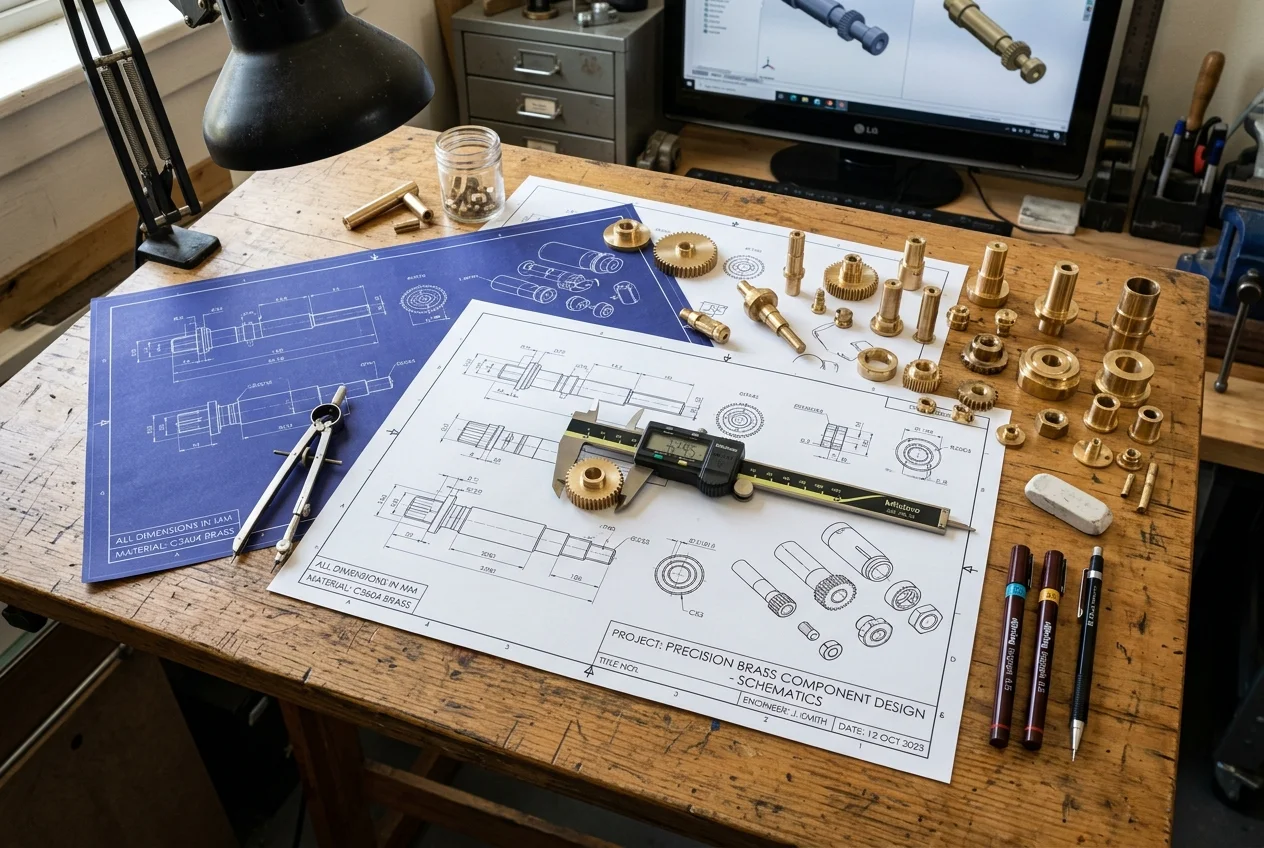
Developing custom brass components for original equipment manufacturers (OEMs) is a collaborative precision engineering journey. From the moment an engineer uploads a 2D PDF drawing or 3D STEP model to the final container dispatch, every production phase must align with strict dimensional tolerances, material specifications, and delivery timelines.
Step 1: CAD Blueprint Review & Design for Manufacturability (DFM)
When a client submits an engineering drawing, our senior applications engineering team conducts a thorough Design for Manufacturability (DFM) analysis. We review:
- Dimensional tolerances and geometric dimensioning & tolerancing (GD&T) callouts.
- Thread profiles (Metric, BSP, NPT, UNC, UNF, Acme).
- Internal radii and tool clearances to optimize cycle time and eliminate tool chatter.
- Alloy recommendation based on fluid pressures, electrical load, or environmental exposure.
Step 2: CAM Programming and Simulation
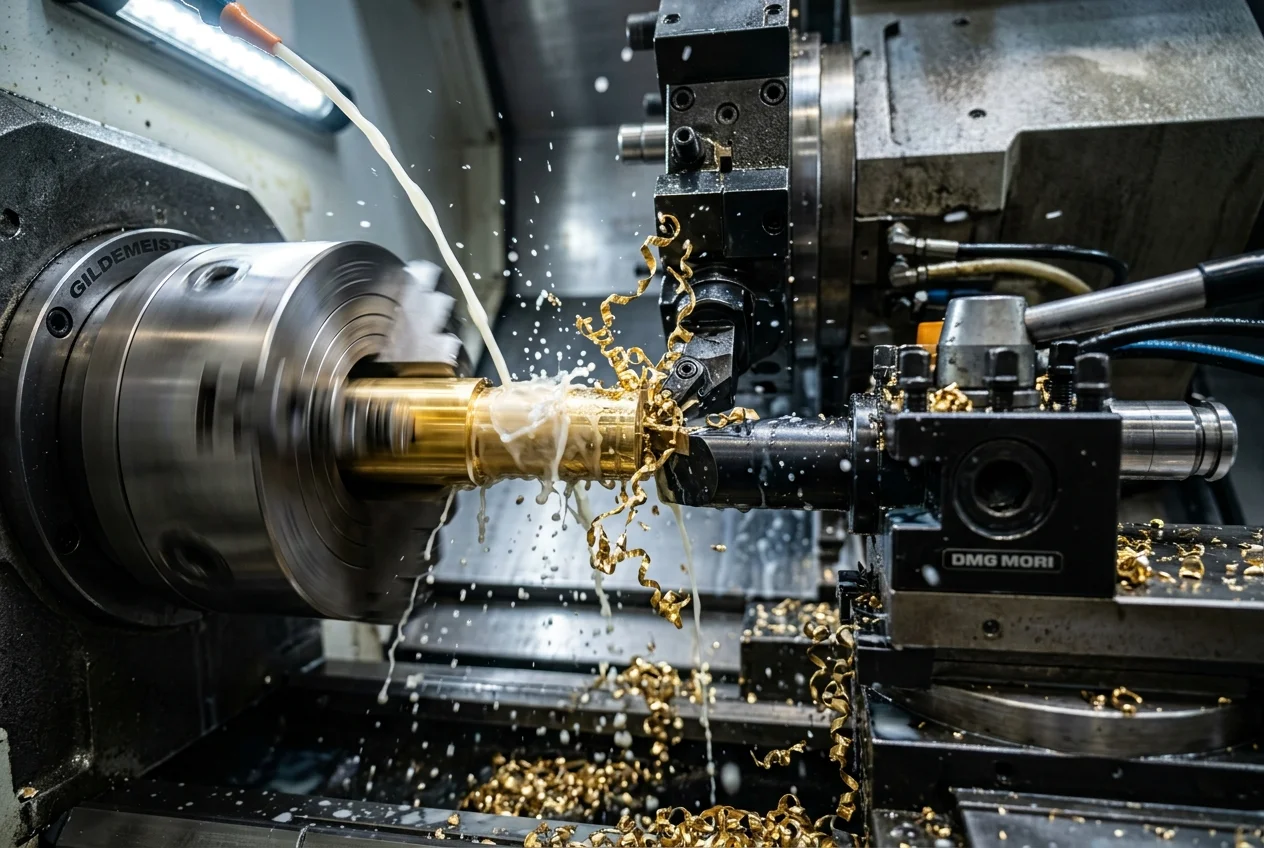
Using advanced CAD/CAM software, our programmers generate multi-axis CNC toolpaths. Virtual machining simulations verify tool clearances, collision-free rapid traverses, and balanced chip loads across the main and sub-spindles.
Step 3: Rapid Prototyping and First Article Validation
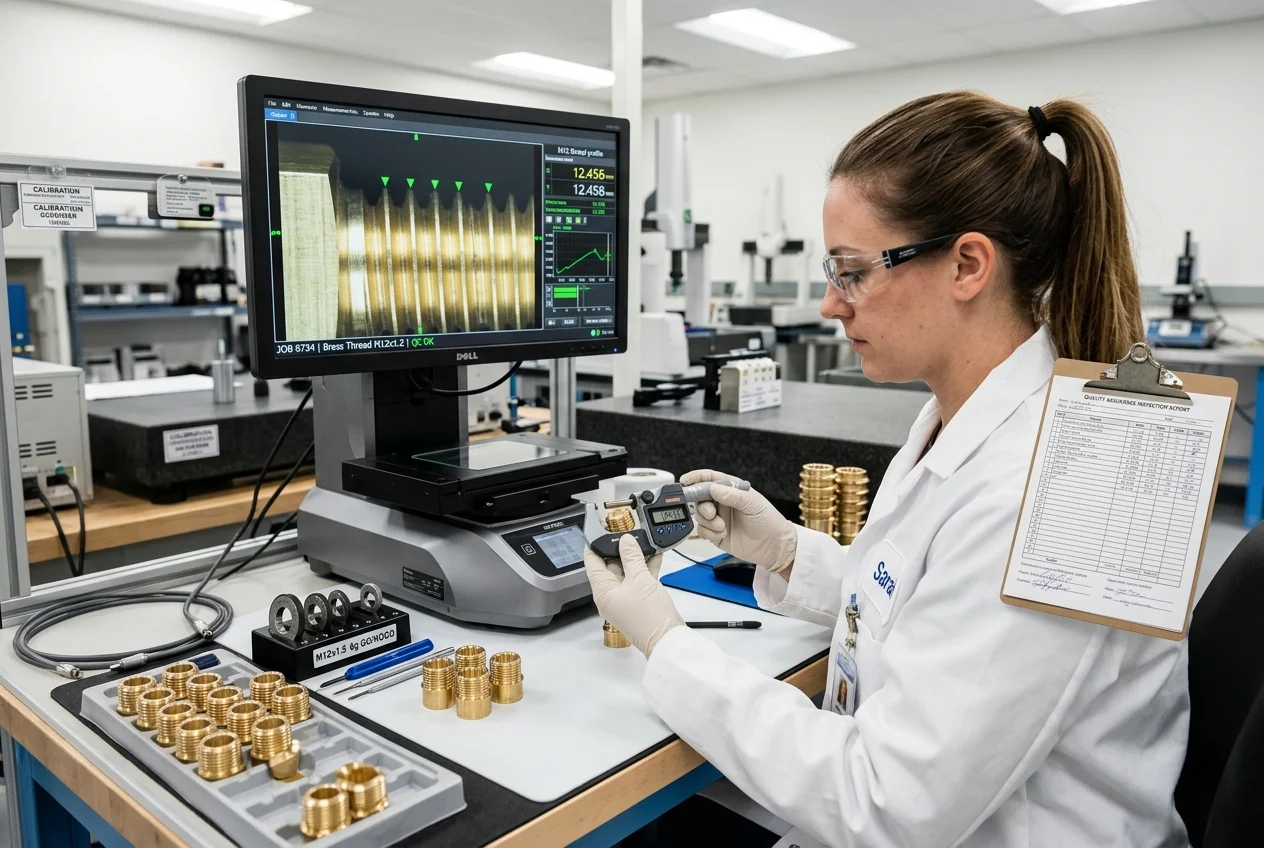
Before mass production, we manufacture prototype sample batches (typically 10 to 50 units). These parts undergo 100% dimensional inspection, surface roughness testing, and are dispatched to the customer along with a formal First Article Inspection Report (FAIR) for functional bench testing.
Step 4: Automated CNC Mass Production
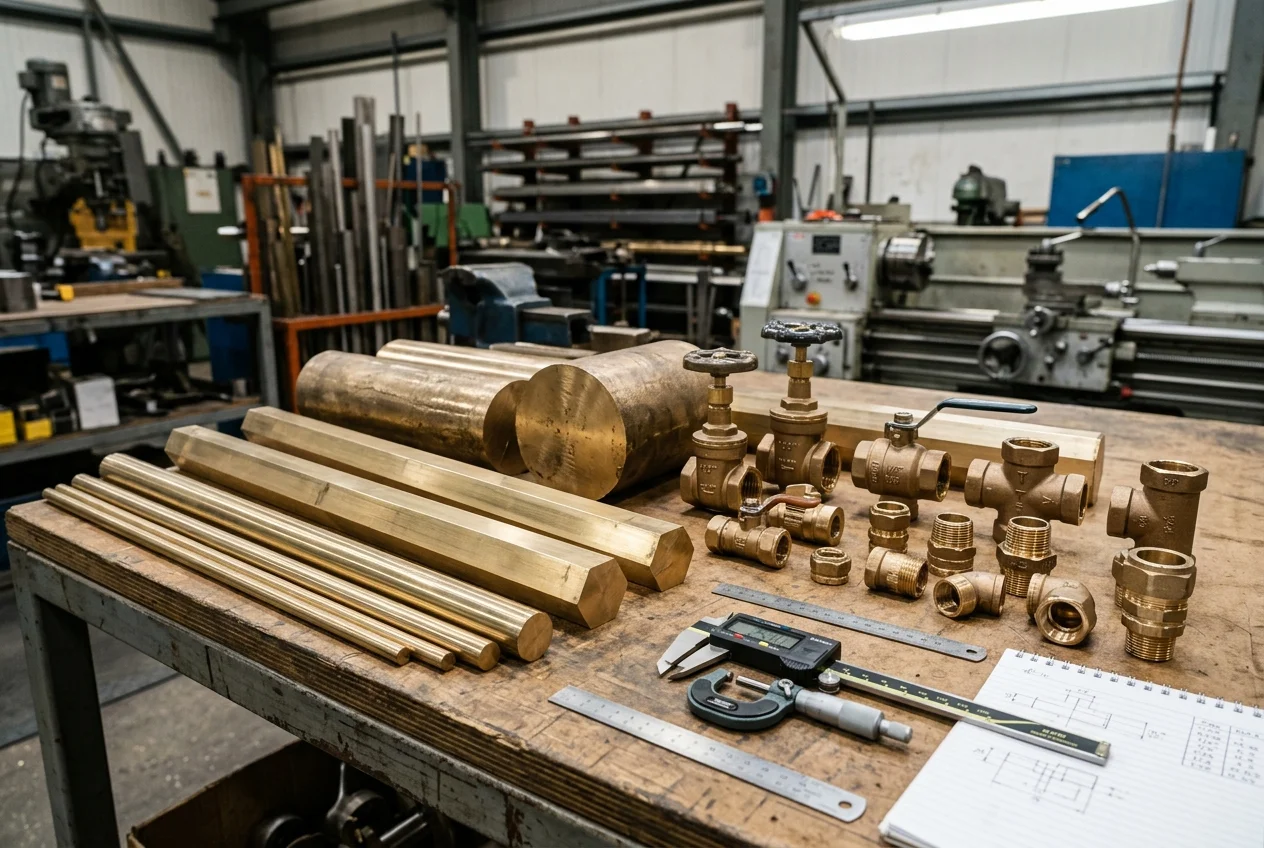
Upon customer approval of the prototypes, full-scale production begins. Our facility features advanced Swiss-type CNC screw machines and multi-axis turning centers equipped with automated bar feeders, synchronized live tooling, and high-pressure coolant systems for continuous high-speed operation.
Step 5: Ultrasonic Cleaning and Surface Finishing
Machined brass components pass through automated multi-stage ultrasonic degreasing tanks to remove all cutting oils, brass swarf, and microscopic residues. Components can then be customized with specialized surface finishes:
- Electroplated Nickel: Provides outstanding corrosion resistance, wear protection, and an attractive silver aesthetic.
- Electroplated Tin: Enhances solderability and corrosion resistance in electrical connectors.
- Chrome Plating: High-hardness reflective finish for premium sanitary and automotive hardware.
- Natural Brass Passivation: Chemical passivation preventing surface oxidation while maintaining raw brass appearance.
Step 6: Final QA Audit and Export Packaging
Finished components undergo final random AQL audits in our metrology lab. Approved batches are packed in moisture-resistant vapor corrosion inhibitor (VCI) bags, inner boxes, and heavy-duty export corrugated cartons strapped onto heat-treated wooden pallets for safe worldwide transit.
Start Your Custom Project with Jupiter Brass
Do you have a new custom brass component design or an existing part you want to re-source for improved quality and competitive pricing? Send us your drawing today, and our engineering team will provide a detailed quotation and DFM analysis within 24 hours.